

TL;DR
- There are three main types of mouthguards – stock, boil-and-bite, and custom mouthguards
- Stock options are affordable but offer limited protection and poor fit
- Boil-and-bite guards provide a better shape but still fall short of a professional fit
- Custom-fitted mouthguards offer the highest level of protection, comfort, and durability
- The right choice depends on your needs, but professionally made dental mouthguards are widely considered the most reliable option
It often starts with something small – a chipped tooth during a weekend game, or waking up with a sore jaw from teeth grinding. For many people, the importance of mouthguards only becomes clear after damage has already occurred.
Your teeth, gums, and jaw are under constant pressure, whether during sport, training sessions, or even while you sleep. Without proper protection, the risk of dental injuries such as broken teeth, jaw strain, and soft tissue damage increases significantly.
Not all mouth guards are created equal. There are three distinct types, each suited to different needs, levels of activity, and expectations around comfort and durability.
In this guide, we’ll walk through the three main types of dental mouthguards, helping you understand the differences and choose an option that suits your lifestyle.
Why Mouth Guards Matter: The Stakes of Going Without One
Mouthguards play an essential role in protecting long-term dental health, particularly in activities involving contact or impact.
Sports such as football, boxing, basketball, and hockey carry a high risk of injury to the teeth, lips, and jaw. Even activities like cycling, skateboarding, and recreational sport can result in sudden impact and damage.
Common dental injuries include chipped teeth, broken teeth, and in more serious cases, damage to the jaw or surrounding structures. These injuries are not only painful but can also lead to ongoing treatment and expense.
Outside of sport, conditions such as teeth grinding and clenching can gradually wear down teeth and strain the jaw. Over time, this can lead to discomfort, headaches, and structural damage.
The cost of treating these issues can be significant. In comparison, investing in a well-fitted mouth guard is a simple and effective way to reduce risk.
As many dental professionals note, patients often only consider a mouth guard after an injury has occurred. Preventative protection is far more effective than reactive treatment.
The Three Types of Mouthguards – An Overview
There are three main types of mouthguards available:
- Stock (ready-to-wear)
- Boil-and-bite
- Custom mouth guard
Each type varies in how it is made, how it fits, and how effectively it protects the teeth and jaw. Understanding these differences is key to making an informed decision.
Type 1 – Stock (Ready-to-Wear) Mouth Guards
Stock mouth guards are pre-formed and available off the shelf. They are typically purchased from pharmacies or sporting goods stores and can be worn immediately without adjustment.
While they are the most affordable option, they offer the least protection.
Because they are not tailored to the individual, they tend to fit loosely and can feel bulky in the mouth. This can make breathing and speaking more difficult, particularly during physical activity.
The lack of a secure fit also means they may shift during use, reducing their ability to protect against impact or pressure. In some cases, they can even become a distraction, which may affect performance or comfort.
Stock guards may be suitable for occasional or low-contact use, but they are generally not recommended for regular sport or for managing conditions like teeth grinding. Over time, their limitations can outweigh the initial cost savings.
Type 2 – Boil-and-Bite Mouth Guards
Boil-and-bite mouthguards are designed to offer a more personalised fit than stock options. They often fit comfortably too.
They are softened in hot water and then shaped by biting into the material, allowing it to mould to the teeth and gums. This creates a closer fit than a pre-formed guard and can improve comfort to some extent.
However, the accuracy of the fit depends on how well the moulding process is carried out. It can be difficult to achieve an even and precise shape, which means the final result may still feel uneven or uncomfortable.
Over time, these guards can lose their shape, particularly with repeated use or exposure to heat. They may also need to be replaced more frequently, especially for active users.
Boil-and-bite guards are often used for recreational sport or by younger players who need a more affordable option with some level of personalisation. They can be a practical middle-ground solution, but they do not offer the same level of long-term reliability as professionally made options.
Type 3 – Custom-Fitted Mouth Guards
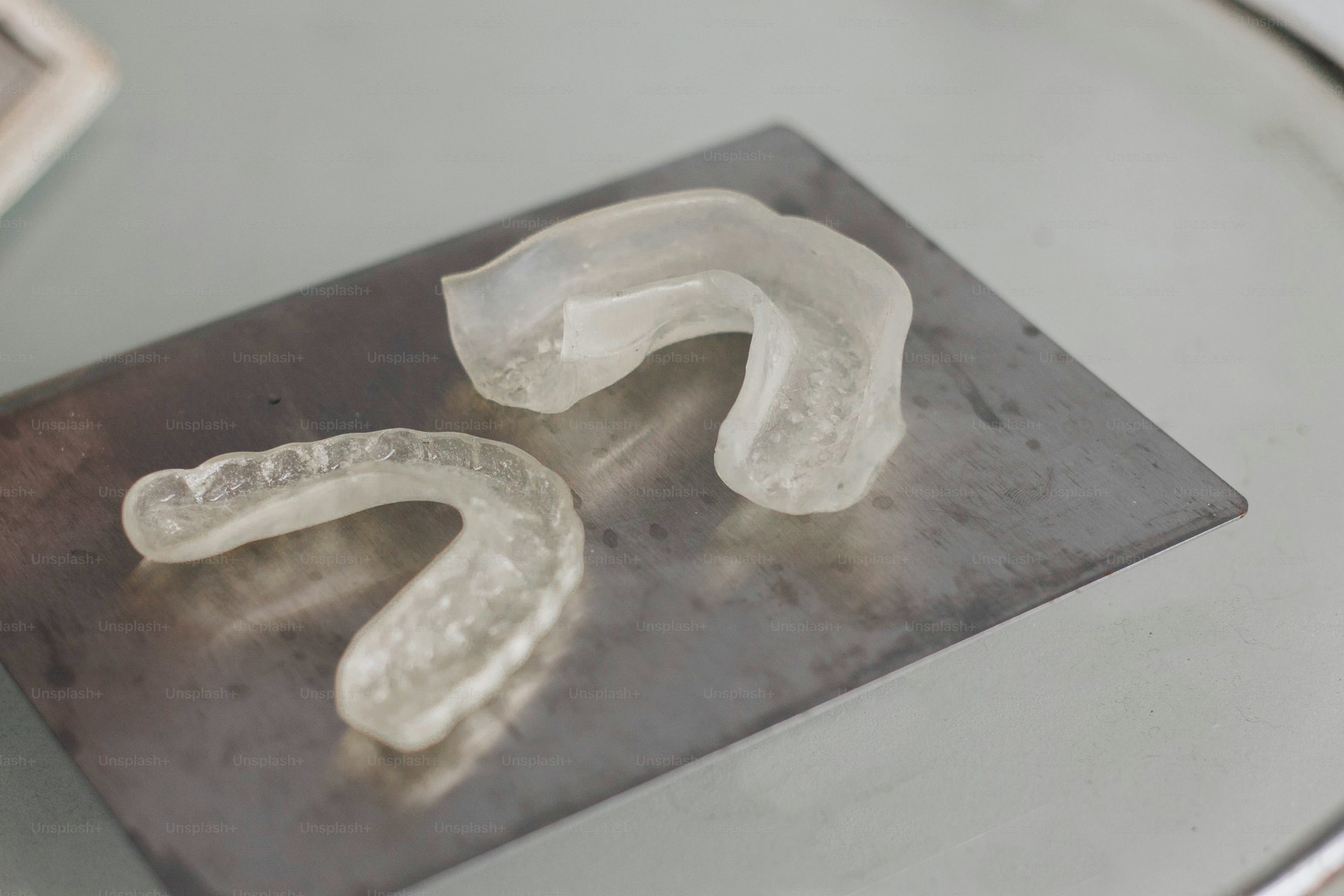
Custom mouthguards are made specifically for the individual using detailed impressions of the teeth and mouth. These types of mouthguards often offer maximum comfort over others.
This process ensures that the guard fits precisely, aligning with the natural shape of the teeth, gums, and jaw. The result is a secure and comfortable fit that stays in place during use.
Because of this precision, custom-fitted mouthguards offer a higher level of protection. They are designed to absorb impact and distribute pressure more effectively, reducing the risk of injury.
They also provide a more natural feel in the mouth, making it easier to breathe and speak. This is particularly important for athletes or individuals who wear a guard regularly.
Custom dental mouthguards can be designed for different purposes, including sport, night-time use for teeth grinding, and support for jaw-related conditions.
Another advantage is durability. With proper care, a custom guard can last several years, making it a long-term investment in dental health.
Which Type of Mouthguard Is Right for You?
The right mouthguard depends on how often you plan to use it and the level of protection required.
For occasional use or low-contact activity, a stock guard may provide basic protection. A boil-and-bite option can offer improved comfort and may suit recreational users.
However, for regular sport, high-impact activities, or ongoing issues like teeth grinding, a custom-fitted option is generally the most effective choice.
It is also important to consider existing dental work, such as braces, crowns, or implants. These factors can affect fit and protection, making a tailored solution more appropriate.
Rather than relying on guesswork, speaking with a dental professional can help ensure the right decision is made based on your individual needs.
How to Care for Your Mouth Guard
Proper care is essential to maintain hygiene and extend the lifespan of any mouth guard.
After each use, it should be rinsed with warm water and mild soap to remove bacteria and debris. Allowing it to air dry before storage helps prevent moisture build-up.
The guard should be stored in a ventilated case to protect it from damage. Avoid leaving it in direct sunlight or in high temperatures, as heat can cause it to warp and lose its shape.
It is also important to inspect the mouth guard regularly. Signs of wear, cracks, or changes in fit may indicate that it needs to be replaced. For children and younger users, more frequent replacement may be necessary as their teeth develop and change.
Conclusion
Understanding the different types of mouthguards is essential when it comes to protecting your teeth and long-term oral health.
While stock and boil-and-bite options are widely available, they often fall short in comfort, fit, and durability. Custom mouthguards provide a more tailored solution, offering improved protection and a better overall experience.
Choosing the right option can help reduce the risk of injury, prevent long-term damage, and ensure greater comfort during use.
For those considering a custom solution, speaking with a qualified professional can provide clarity and ensure the best possible outcome.